
BREAKING: Titanoboa cerrejonensis — The Largest Snake Ever Discovered in Earth’s History
- BichDuong
- May 12, 2026
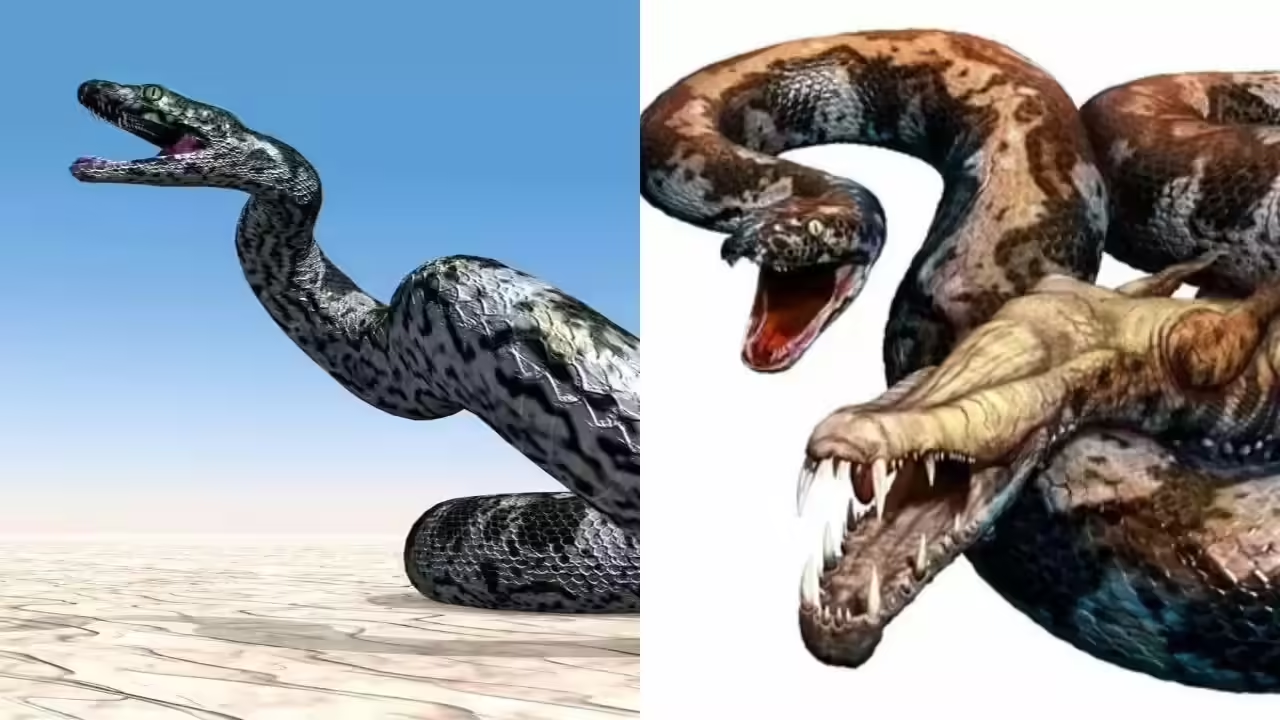
BREAKING: Titanoboa cerrejonensis — The Largest Snake Ever Discovered in Earth’s History
Titanoboa cerrejonensis is considered the largest snake ever known to exist on Earth, and even today, decades after its discovery, the prehistoric predator continues to fascinate scientists and terrify people around the world. Living approximately 58 to 60 million years ago during the Paleocene Epoch, shortly after the extinction of the dinosaurs, Titanoboa ruled the tropical swamps of what is now modern-day Colombia.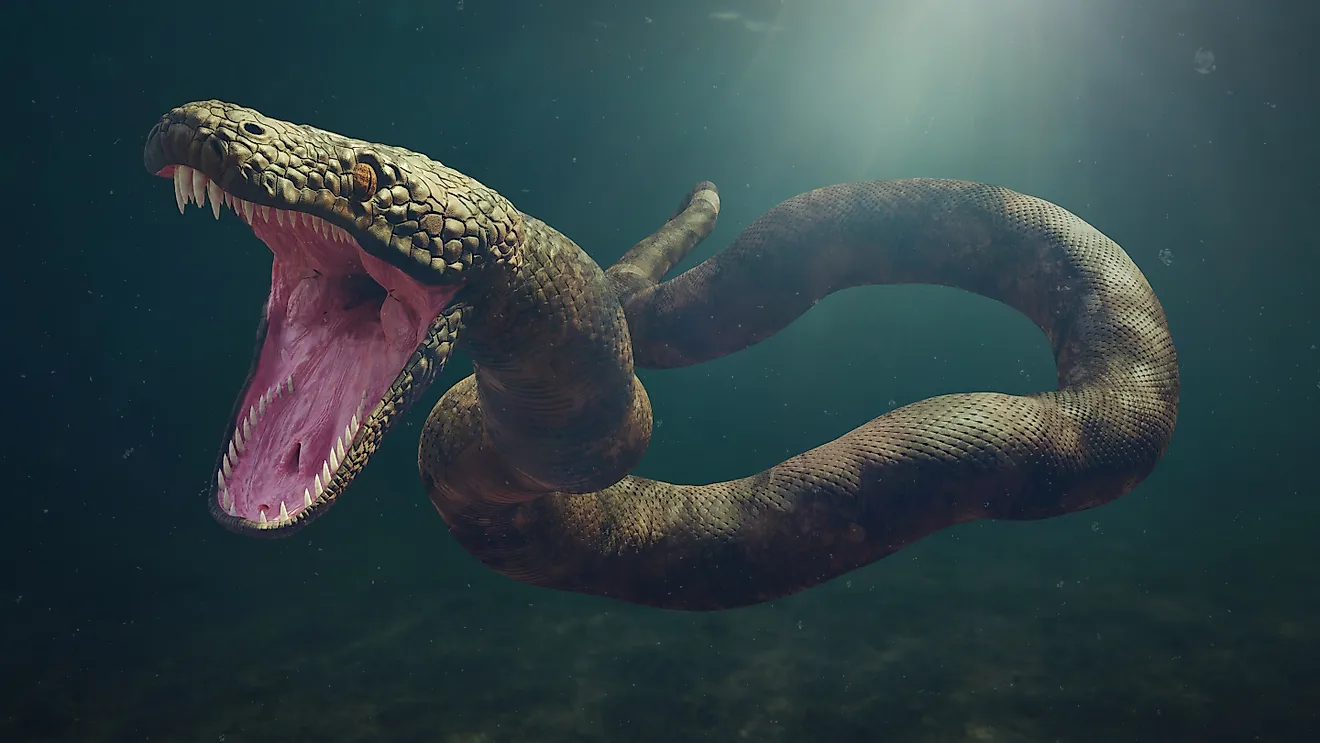
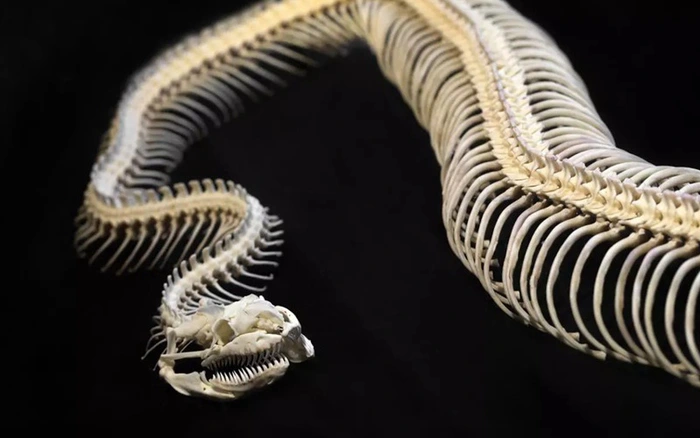
The first fossils of Titanoboa were discovered in the Cerrejón coal mine in northern Colombia in the early 2000s. Paleontologists were stunned by the enormous size of the vertebrae they uncovered. After detailed analysis, researchers estimated that Titanoboa could grow up to 13 to 15 meters long (around 42 to 50 feet) and weigh more than 1,100 kilograms, making it far larger than any snake alive today. For comparison, the modern green anaconda, currently the heaviest snake on Earth, rarely exceeds 8 meters in length.
Scientists believe Titanoboa thrived in extremely warm and humid environments filled with giant fish, crocodile-like reptiles, and dense vegetation. Much like modern boas and anacondas, Titanoboa was a constrictor. Instead of using venom, it would coil around its prey and squeeze with unimaginable force until the victim could no longer breathe. Researchers estimate that the pressure generated by Titanoboa’s muscles would have been powerful enough to crush bones and overpower almost any animal sharing its habitat.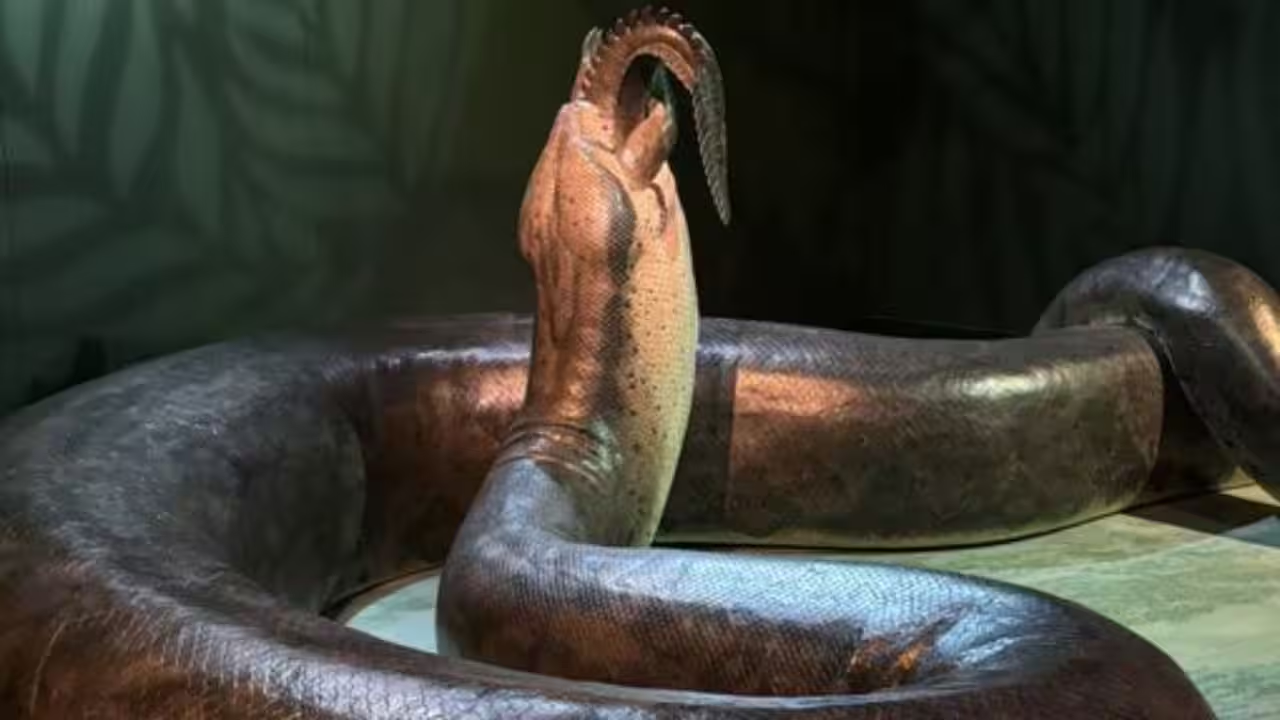
Unlike many Hollywood portrayals of giant snakes hunting humans, Titanoboa primarily lived in swampy aquatic ecosystems and likely spent much of its time in water. Its enormous body size would have made movement on land difficult, but in rivers and swamps it would have been an unstoppable ambush predator. Fossil evidence suggests it fed mainly on large fish and prehistoric crocodilians.
The discovery of Titanoboa also provided scientists with important clues about Earth’s ancient climate. Because cold-blooded reptiles depend heavily on environmental temperatures, researchers believe the existence of such a massive snake indicates that tropical temperatures during the Paleocene were significantly hotter than today. Some scientists estimate average temperatures in Titanoboa’s habitat may have reached over 30 degrees Celsius year-round.
Titanoboa quickly became one of the most famous prehistoric animals ever discovered. Museums around the world have displayed life-sized models of the giant serpent, often terrifying visitors with its unbelievable scale. Television documentaries and viral online posts have further fueled public fascination, with many people comparing the creature to monsters from science fiction films.
Although Titanoboa has been extinct for millions of years, its story continues to capture imaginations everywhere. The idea that a snake larger than a bus once silently moved through ancient swamps reminds us just how different and dangerous prehistoric Earth truly was. For many, Titanoboa is more than just a fossil — it is a symbol of nature’s incredible power and one of the most terrifying predators ever to exist.