THE OCEAN’S UNEXPECTED GUARDIANS!
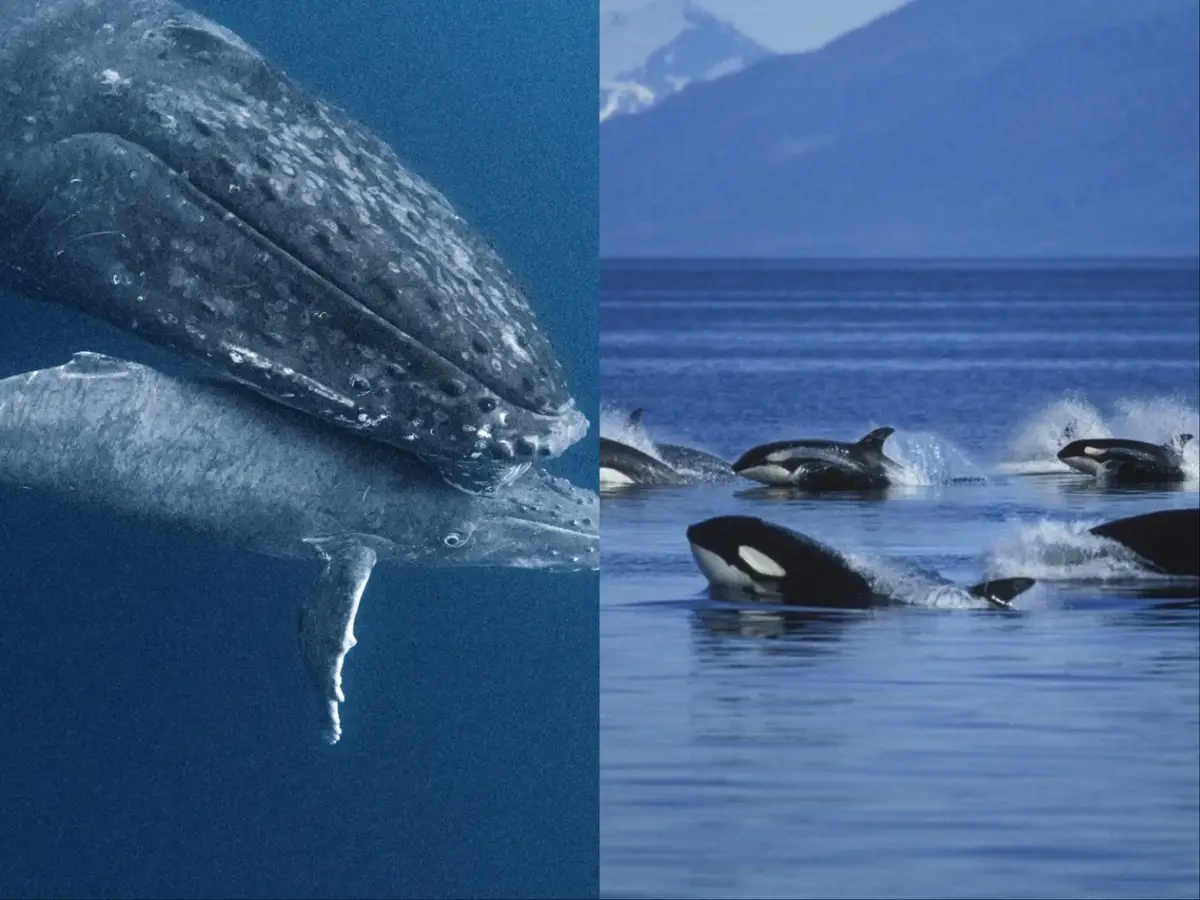
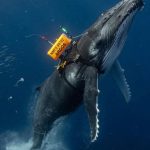
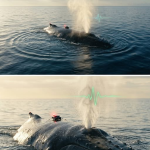
Humpback whales continue to amaze marine scientists with behavior that seems far more complex than previously understood.
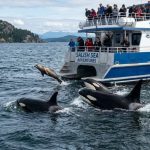
In multiple documented encounters, these massive marine mammals have been observed intervening directly in active orca hunting events. Orcas, known for their highly coordinated and strategic hunting techniques, often target seals, dolphins, or even the calves of large whales. Yet in certain cases, humpback whales appear to disrupt these hunts without any obvious direct benefit to themselves or their offspring.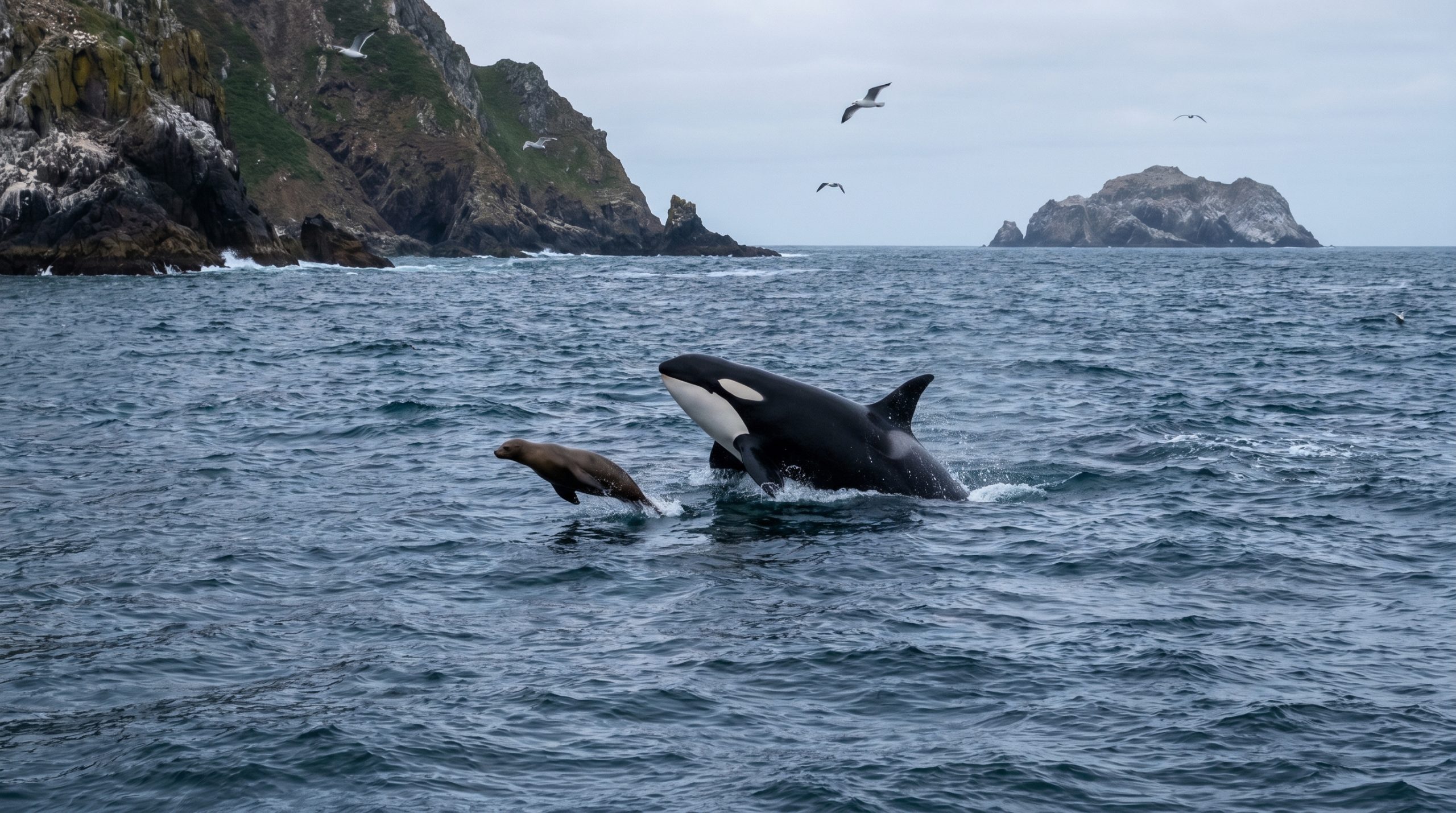
What makes this behavior especially striking is the distance and urgency involved. Humpbacks have been recorded traveling significant distances toward areas where orca hunting activity is occurring. Once they arrive, they do not simply observe. Instead, they actively engage by inserting themselves into the conflict, sometimes placing their massive bodies between predators and prey. Their sudden appearance alone can destabilize the coordination of an orca pod, which relies heavily on synchronized movement and communication.
Physical force also plays a role. Humpbacks are capable of producing powerful tail slaps that generate strong underwater pressure waves and loud acoustic signals. Combined with deep, resonant vocalizations, these actions can disrupt the sensory environment that orcas depend on during a hunt. In several observed cases, this interference has caused orcas to abandon their pursuit entirely, even when the hunt was already in progress and well-coordinated.
One of the most fascinating aspects of this behavior is that it does not appear to be strictly selective. Humpbacks are not necessarily protecting their own species or calves in these situations. Instead, their interventions often benefit a variety of marine animals caught in the area, including fish, seals, and occasionally even unrelated whale species. This has led researchers to consider whether the behavior is driven by a generalized response to distress signals or environmental cues rather than targeted protection.
The scientific community has not yet reached a consensus on why humpback whales engage in this behavior. Several theories have been proposed. One suggests that humpbacks may be responding to acoustic distress signals transmitted through the ocean, effectively reacting to calls that indicate nearby danger. Another theory proposes that this could be an evolved defensive strategy, where humpbacks instinctively disrupt predatory events to reduce the risk of future threats to themselves or their young. A more speculative view considers the possibility of complex social or ecological awareness that goes beyond current understanding of cetacean cognition.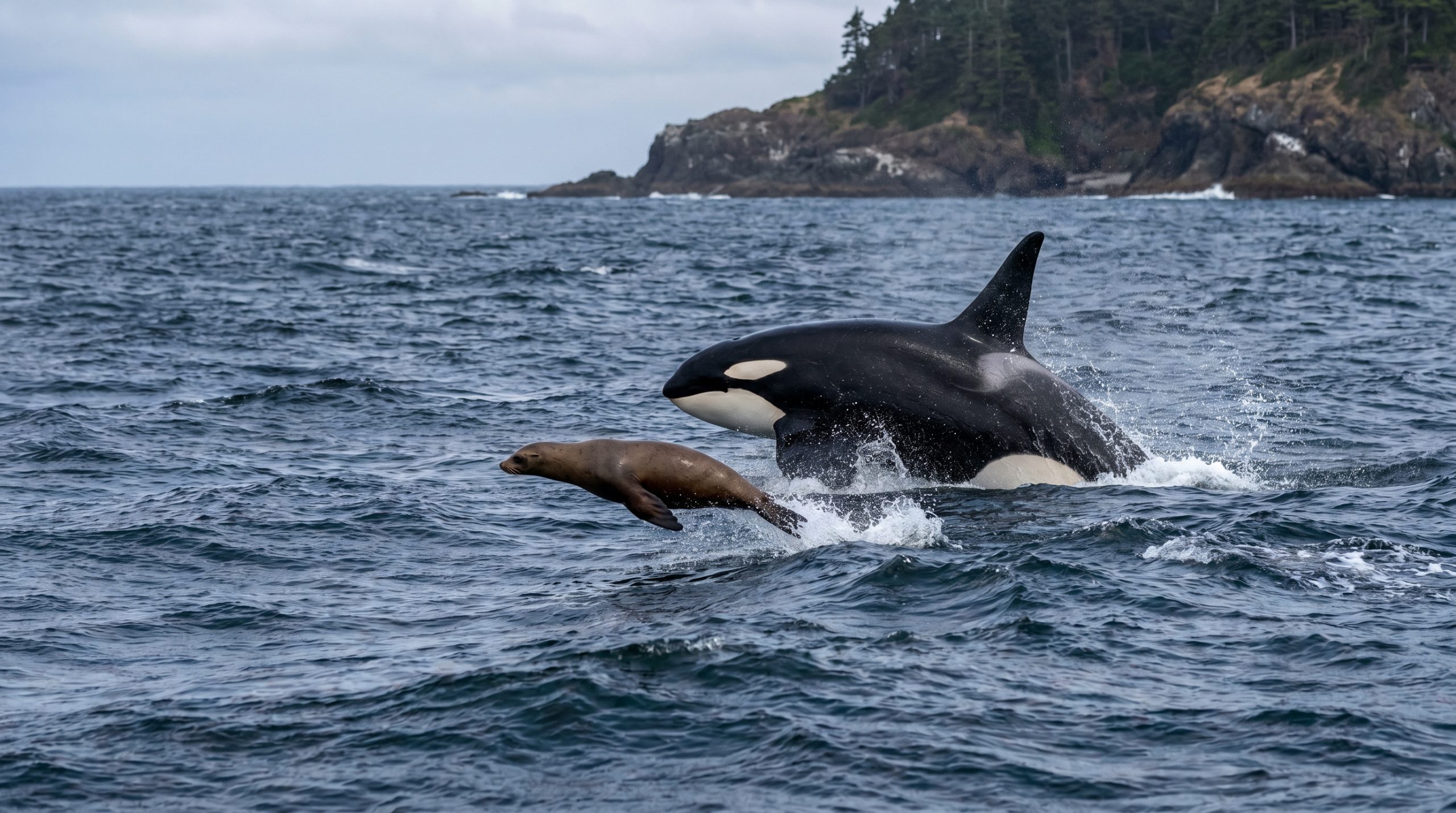
Despite ongoing debate, what remains undisputed is the impact of these interventions. Orca hunts can be disrupted or entirely halted, and survival chances for targeted prey can increase significantly. This has positioned humpback whales as an unexpected and influential factor within marine ecosystems, particularly in predator-prey dynamics involving apex predators like orcas.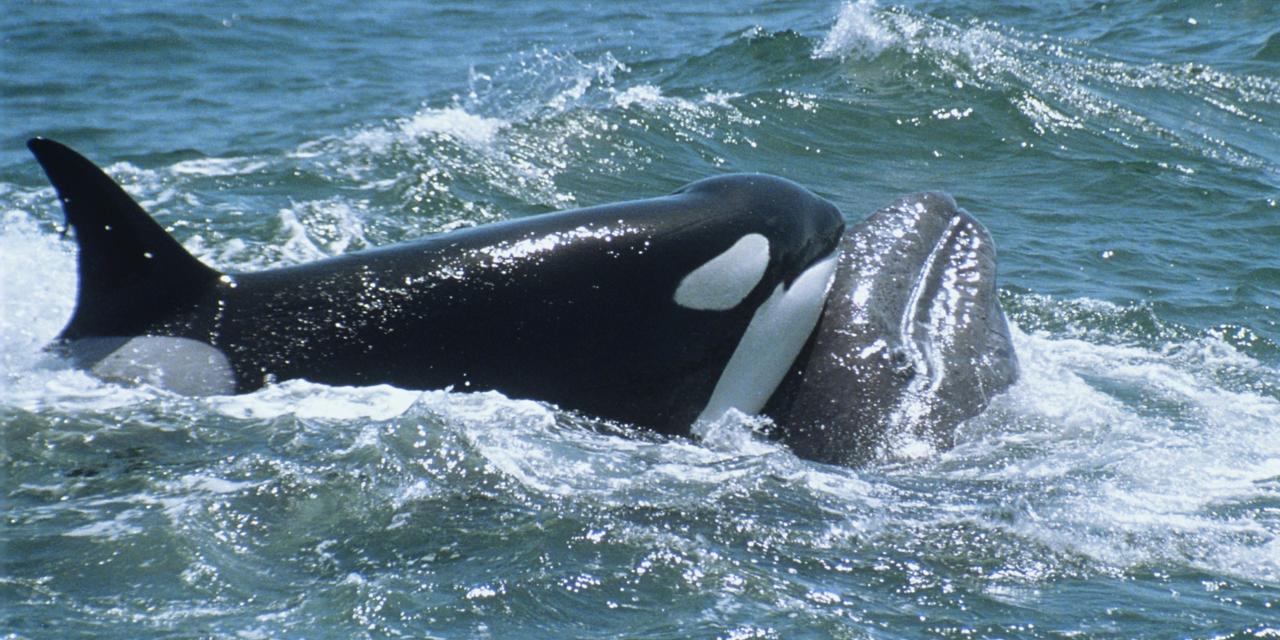
These observations continue to challenge assumptions about intelligence, empathy, and interaction in marine life. The ocean, already known for its complexity, appears to contain behavioral relationships that are still far from fully understood. Humpback whales, in particular, stand as a powerful reminder that even well-studied species can still surprise us, reshaping how we view life beneath the waves