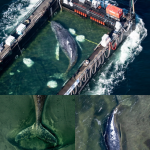
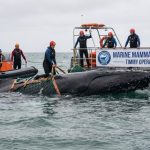
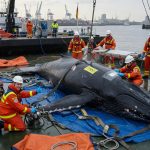
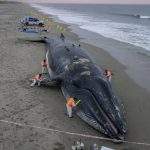
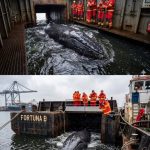
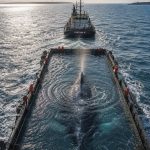
On May 5, 2026, a coordinated marine mammal response effort was launched following the stranding of a 61-foot subadult male fin whale on Samish Island, Washington. The operation involved Cascadia Research, the Washington Department of Fish and Wildlife, and the Central Puget Sound Stranding Network.
The whale was first observed alive in extremely shallow waters, prompting an urgent response. However, despite rapid mobilization of teams, the animal died later that morning before full intervention could be carried out.
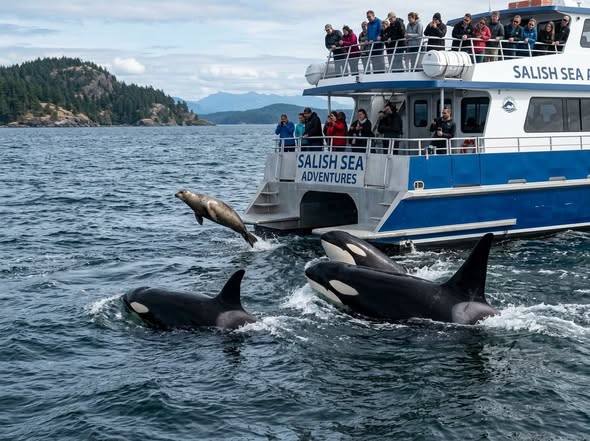
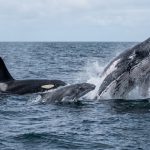
Preliminary assessments indicate the whale was in poor physical condition at the time of stranding. Researchers identified signs of malnutrition, an ulcerative skin condition, and severe internal injuries consistent with the stranding event itself. Additional evidence suggests the animal may have recently experienced entanglement, as well as a non-lethal interaction with killer whales prior to becoming stranded.
Investigators have collected tissue samples for laboratory analysis, which will be conducted over the coming weeks. These tests aim to provide deeper insight into the underlying health issues and environmental or ecological factors that may have contributed to the whale’s decline.
Fin whales are typically associated with offshore deep-water habitats, making their presence in inland Washington waters uncommon. This individual had been observed in the region in recent months, raising concern among marine researchers prior to the stranding. Historical records show that strandings in Washington are rare, with approximately 13 cases documented since 1986, often linked to vessel strikes or unusual navigational events.
Scientists emphasize that each stranding case provides critical data for understanding threats to large marine mammals and improving future conservation strategies and response efforts across the region.