Veterinarians Emphasize Delicate Risk Balance in Timmy Whale Rescue Operation
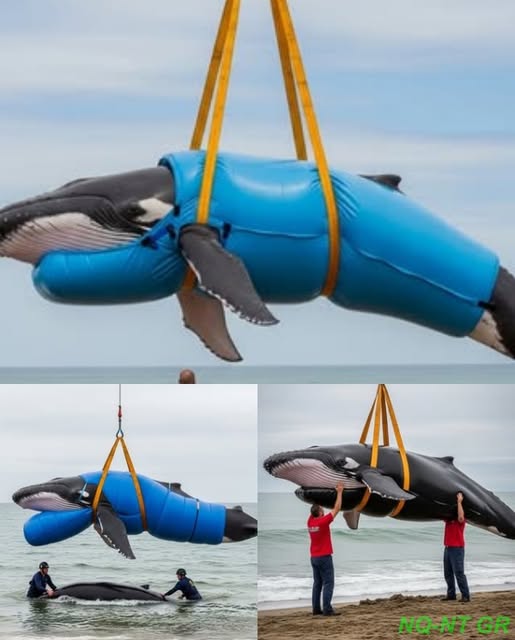
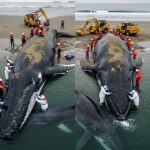
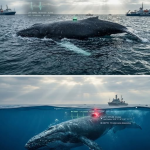
Veterinary experts involved in the ongoing rescue of the stranded humpback whale “Timmy” have highlighted the careful balance required between intervention and risk as the operation continues near Wismar, Germany.
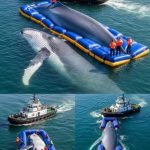
Specialists explain that the use of air cushion systems remains the safest available method for lifting and stabilizing large stranded whales. These devices are designed to distribute the animal’s weight evenly across a broad surface, helping to reduce localized pressure on organs, muscles, and internal tissue during handling.
However, experts also caution that even with advanced equipment and careful procedures, the situation remains highly fragile. Prolonged stranding, combined with extreme physical stress and environmental exposure, can lead to serious internal complications that are not always immediately visible.
According to the response team, every stage of the operation must be carefully measured. Excessive movement or improper support can worsen the whale’s condition, while insufficient intervention may limit its chance of recovery. This creates a narrow operational window where decisions must be guided by veterinary science, field experience, and real-time assessment of the animal’s response.
Rescuers continue to monitor Timmy closely as they attempt to guide him toward safer waters. While the outcome remains uncertain, teams emphasize that the priority is minimizing harm while maximizing the whale’s chances of survival.
The operation remains ongoing, with experts describing it as a highly sensitive effort requiring precision, patience, and constant reassessment of conditions at sea.