
Direct Warnings, Mixed Signals, and a Growing Hormuz Crisis Put Washington on Edge
Direct Warnings, Mixed Signals, and a Growing Hormuz Crisis Put Washington on Edge
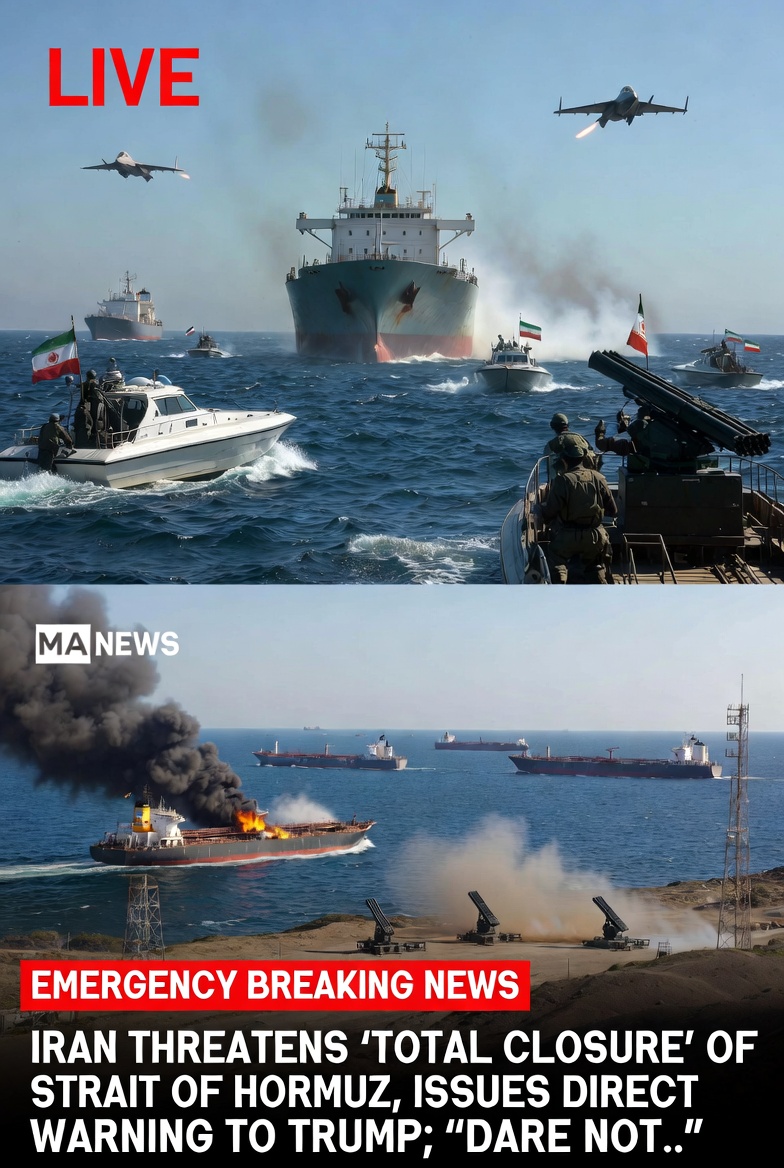
A new round of Iran-linked threats surrounding the Strait of Hormuz is raising pressure on Washington and deepening fears that the Middle East conflict could trigger a broader global economic crisis. The latest rhetoric, including direct warnings aimed at President Donald Trump, has put one of the world’s most important energy chokepoints back at the center of international attention.
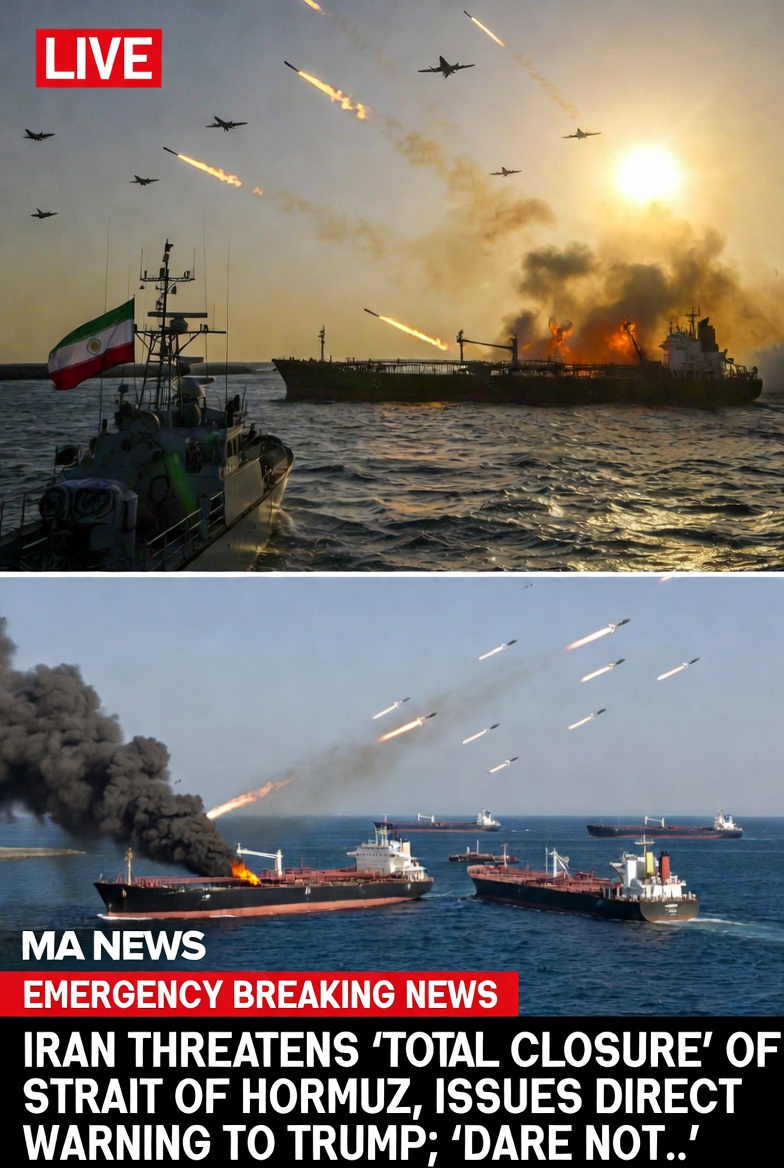
The Strait of Hormuz is more than just a regional shipping lane. It is a vital artery for global oil and gas trade, and any prolonged closure or military interference there could send shockwaves through fuel markets, freight networks, and consumer prices worldwide. Recent reporting has pointed to severe disruption in shipping activity, with multiple governments warning about the effect on vessels, crews, and energy security.
The situation has become even more complicated because the political messaging is moving in two directions at once. Trump has publicly suggested that discussions with Iran have produced “major points of agreement,” and he has delayed some planned actions while waiting to see whether diplomacy can reduce tensions. Iran, however, has rejected claims of direct talks, dismissing them as false and continuing to signal resistance.
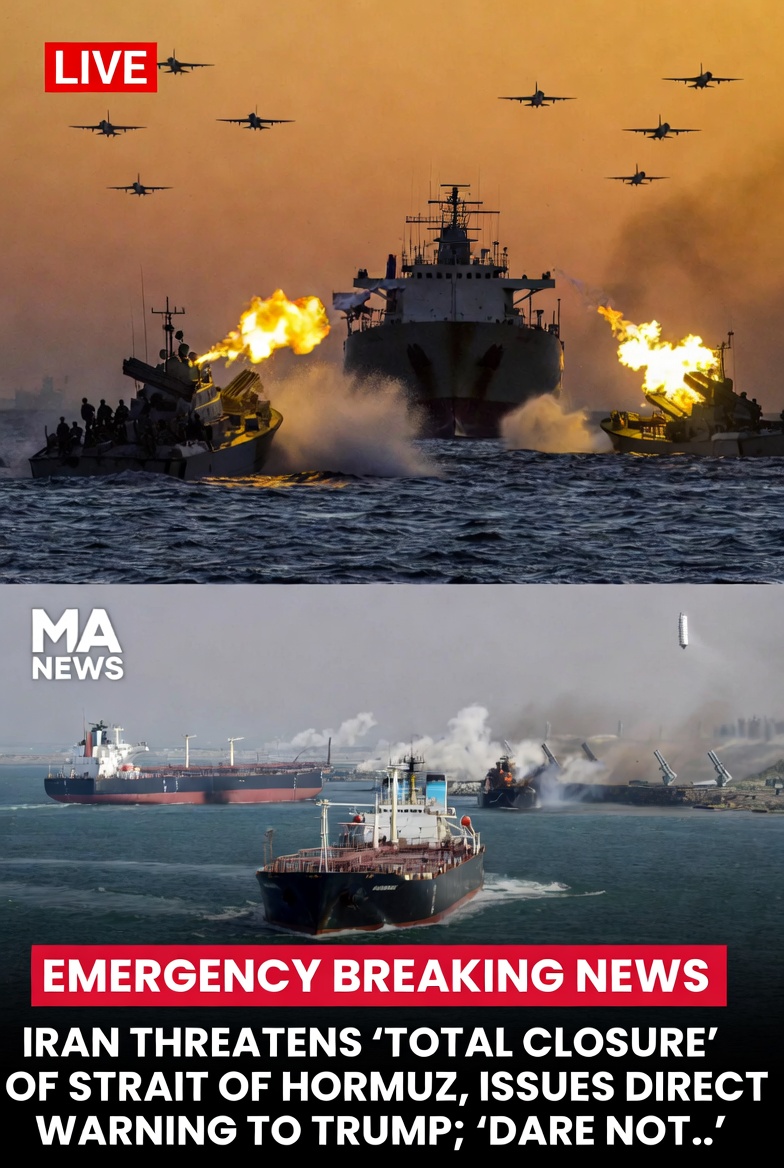
That gap between public claims and official denials is feeding uncertainty at the exact moment global markets are most sensitive. Energy analysts warn that if the disruption around Hormuz stretches on, the damage could go beyond oil prices and start affecting inflation, trade, and growth across multiple regions. International leaders are now pushing for de-escalation, while proposals are also emerging at the United Nations over how to protect commercial shipping.
For the United States, the stakes are strategic as well as economic. A clash over Hormuz would not remain a local dispute for long. It would quickly become a global test of deterrence, diplomacy, and the world’s ability to keep a critical energy lifeline open.
